9 Proactive Ways to Resolve Conflict in Interior Design Projects
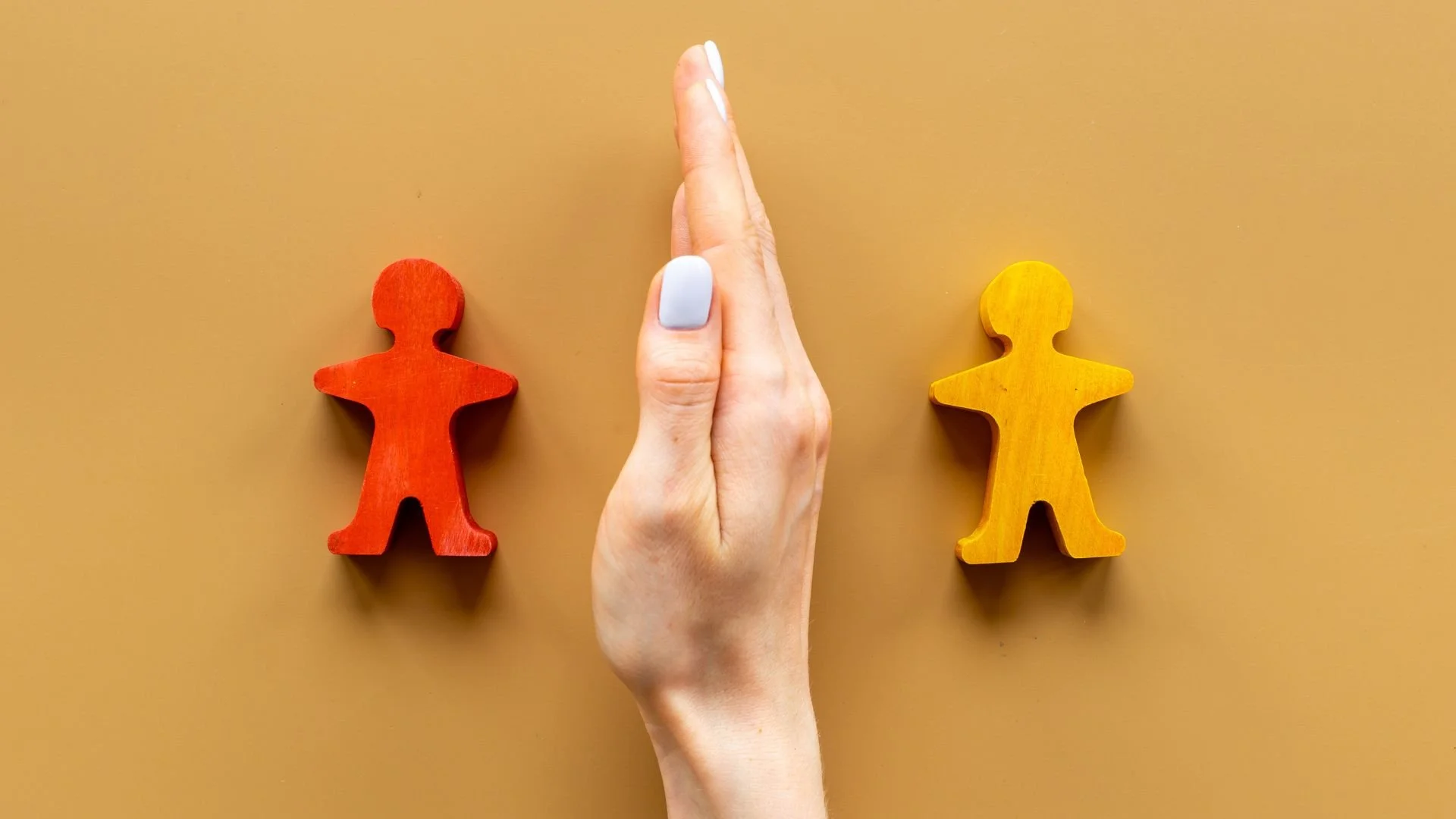
Conflict is inevitable in interior design. When clients invest significant money, time, and emotional energy into their homes, emotions can surface quickly. What separates successful designers from overwhelmed ones isn’t avoiding conflict – it’s knowing how to navigate it skillfully. Strong communication skills for interior designers are not just a professional asset; they’re a psychological advantage that protects relationships, reputations, and long-term profitability.
Here are nine proactive ways to resolve conflict in interior design projects, rooted in emotional intelligence and human behavior.
1. Take Immediate Action and Communicate Quickly
Silence amplifies anxiety. When a concern arises, address it promptly. Even a short message acknowledging the issue helps calm the nervous system and reassures the client that they are heard. Delayed communication allows emotions to escalate, often turning small issues into major frustrations.
2. Stay Calm and Keep the Tone Informal
Formality can unintentionally create emotional distance. A calm, conversational tone signals safety and collaboration rather than authority or defensiveness. From a psychological standpoint, clients regulate their emotions based on yours. When you remain grounded, they’re more likely to follow suit.
3. Lead the Path to Resolution
Clients don’t want to manage conflict – they want guidance. Clearly outline next steps, timelines and solutions instead of waiting for the client to suggest them. Leadership reduces uncertainty, and uncertainty is one of the biggest emotional stressors in any project. This is why it’s important to practice your communication skills for interior designers, so you can be confident and focused on solutions.
4. Be Tuned Into Feelings, Not Just Facts
Design conflicts are rarely about furniture or finishes. They’re about unmet expectations, fear of making the wrong decision or feeling out of control. Acknowledge emotions before addressing logistics. Phrases like “I can see why this feels frustrating” validate the experience and create emotional alignment.
5. Use Role Reversal Techniques
Psychology teaches us that empathy deepens when we shift perspective. Briefly imagining the situation from the client’s point of view helps soften responses and clarify motivations. When appropriate, you can even invite the client into role reversal by asking, “If you were in my position, what would feel like a fair solution?”
6. Be Inclusive in the Solution
Inclusion creates ownership. When clients feel part of the resolution, they are more likely to feel satisfied with the outcome. Ask thoughtful questions, present options and invite feedback. This collaborative approach strengthens trust and reinforces your role as a partner, not an adversary.
7. Gain Control Over Your Own Thoughts
Your internal dialogue matters. If you view conflict as a personal failure, your reactions will reflect defensiveness or anxiety. Reframing conflict as a normal part of creative work allows you to respond with clarity instead of emotion. Emotional self-regulation is one of the most overlooked yet powerful communication skills for interior designers.
8. Document and Confirm
Once a resolution is reached, document it clearly and confirm in writing. This provides psychological closure for both parties and prevents lingering uncertainty. Clear documentation reassures clients that nothing has been overlooked and reinforces professionalism.
9. Know When to Hold Boundaries or Walk Away
Even with strong communication and emotional intelligence, not every conflict is resolvable. Sometimes the issue isn’t miscommunication; it’s unmanaged emotion, unrealistic expectations, or behavior that crosses professional boundaries. You can regulate your own responses without being responsible for regulating someone else’s.

When a client repeatedly escalates, disregards agreed-upon processes, or violates boundaries, the most professional response may be to pause, reset expectations, or disengage entirely. Protecting your energy, your team, and your business isn’t avoidance; it’s leadership. Strong communication skills for interior designers include knowing when walking away preserves your reputation more than staying.
Conflict doesn’t have to damage client relationships. When handled with empathy, structure, and self-awareness, it can actually strengthen them. By understanding the psychology behind reactions and communication, designers can move through challenges with confidence and preserve trust at every stage of the project.
As in life, how you handle difficult moments often matters more than the outcome itself.