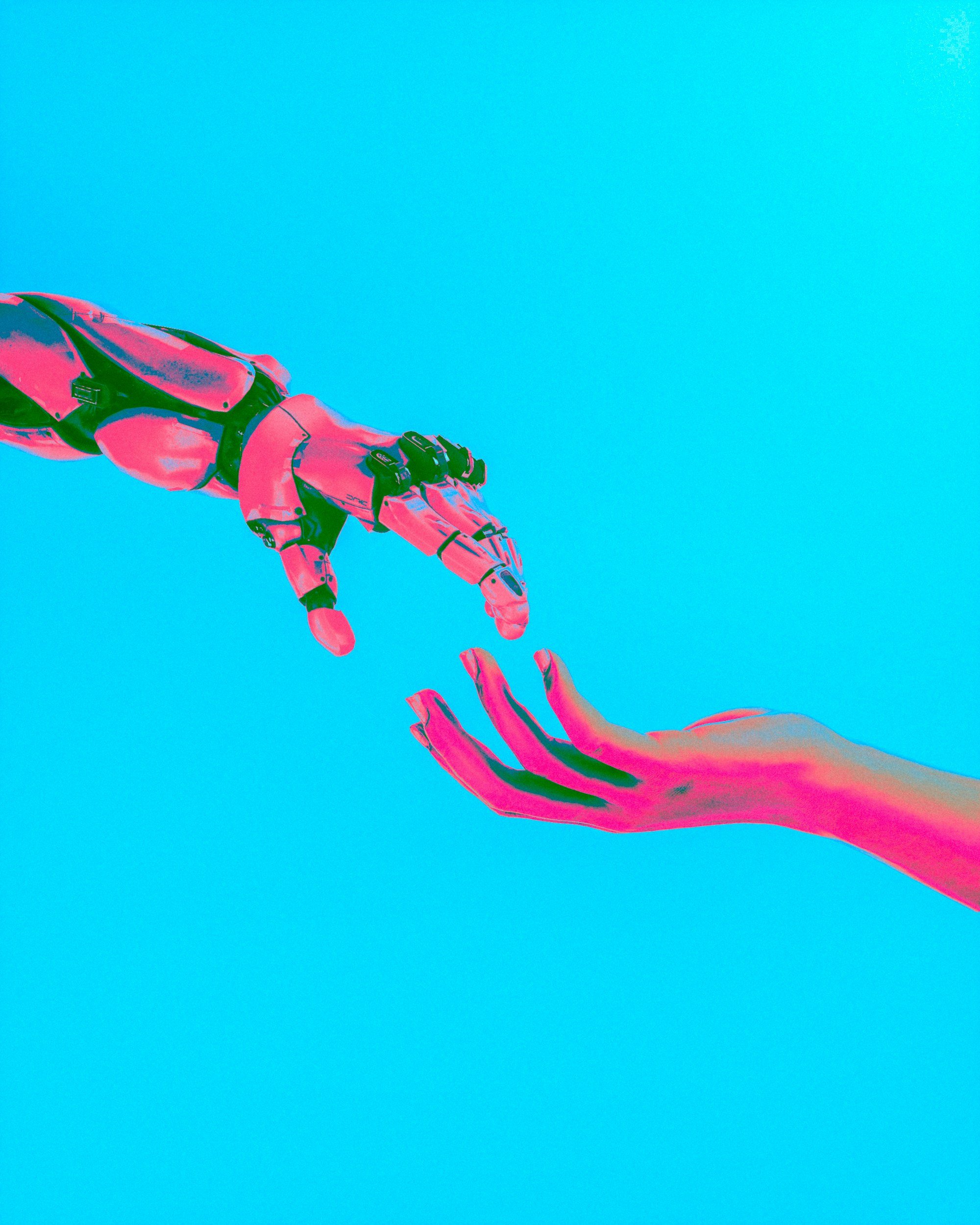
AI is everywhere right now. We’re talking about it, experimenting with it, and figuring out how it can save us time and make our businesses more efficient. I’m doing it, too. But after speaking at High Point Market about AI and human connection in interior design, I keep coming back to one thought: The more we use AI, the more intentional we need to be about the things that make us human.
I’m not worried that designers are suddenly going to hand their businesses over to robots. I am, however, concerned about what could happen if efficiency becomes the goal in every part of our business.
Because if efficiency starts replacing the conversations, personal attention, and emotional connection your clients need from you, you’re not just losing the human side of your business. You may be weakening the very relationships that make your business successful.
What Are We Actually Saving Time For?
AI can help you draft an email, brainstorm ideas, summarize a meeting, organize information, and tackle that blank page that’s been staring at you for 20 minutes.
Great. Use it.
Maybe that efficiency allows you to take on another client without adding more hours to your week. Maybe it helps you finally get out of the office at a reasonable time, take a real vacation, or simply create some breathing room in a business that can feel relentless.
That’s exactly what technology should help us do.
But there’s an important distinction between using AI to eliminate tasks that take up your time and using it to eliminate the human interactions that are essential to your client relationships.
Save time on the administrative work. Streamline the repetitive things. Let AI help you create more capacity in your business and your life.
Just be careful that, in the process, you don’t also streamline away the conversations, personal attention, and connection that made your clients want to work with you in the first place.
AI and Human Connection in Interior Design
Interior design has always been a deeply human business.
Your clients aren’t simply choosing furniture and finishes. They’re spending significant amounts of money, making decisions about their homes and trusting you with spaces that are incredibly personal to them.
That comes with emotions… Excitement. Anxiety. Indecision. Fear of making the wrong choice. Frustration when something goes wrong. Sometimes conflict between spouses who have very different ideas about what they want.
AI can help you write a thoughtful response to an anxious client. But it can’t sit across from that client and notice that what they’re saying isn’t really what they’re worried about.
That takes emotional intelligence.
Don’t Automate Away the Relationship
There are some great tools available to designers that can automatically send meeting reminders, follow-ups, project updates, and other communications at different stages of a project. And I’m all for using them. Your client probably doesn’t need you personally typing out every appointment reminder or routine status update.
But just because a communication can be automated doesn’t mean it always should be.
If every client touchpoint becomes a scheduled email, automated update, or perfectly polished AI-generated response, it’s easy to start confusing communication with connection.
Sometimes your client doesn’t need another project update. They need you to pick up the phone because you can sense they’re getting anxious. Sometimes they need reassurance after a big decision, a conversation when something has gone wrong or simply to know that you understand why something matters so much to them.
Those interactions aren’t inefficiencies in your process. They’re where trust is built.
Use technology to handle the routine communication. Just make sure you’re still showing up personally for the moments that actually build the relationship.
More Options Don’t Always Make Design Easier
AI isn’t only changing the business side of interior design. It’s changing the creative process, too.
We already have tools that can take an image or model of a room and generate different design directions in seconds. That can be incredibly useful as part of your own creative process by helping you explore ideas, experiment with different approaches, and consider possibilities you might not otherwise have tried.
But just because AI allows you to generate 10 or 20 different directions doesn’t mean your client needs to see them.
In fact, more choices can make decision-making harder, not easier. Too many options can quickly become overwhelming, create decision fatigue, and leave a client second-guessing choices they might otherwise have felt confident making. Instead of moving the project forward, endless possibilities can cause a client to shut down.
Your job as the designer is still to curate.
Use AI to explore behind the scenes if it helps you get to a stronger solution. Then use your experience, judgment, and understanding of your client to narrow those possibilities down to the directions you genuinely believe are right for them.
That’s part of the value you bring. Your client didn’t hire you to show them everything that’s possible. They hired you to understand them well enough to know what’s worth showing them.
AI can generate the options. Knowing which ones should ever make it into the client presentation is still very human.
Your Human Skills Are Becoming More Valuable
After 26 years of running a successful design firm, and with a degree in psychology, I’ve watched the same truth play out over and over: knowing how to work with people
is one of the most valuable skills you can develop in this business.
And I believe AI is making that even more true.
As technology becomes more capable and more widely used, efficiency becomes less of a differentiator. Everyone has access to tools that can help them work faster.
But trust, empathy, communication, judgment, and the ability to make someone feel heard and understood – those will become the new differentiators.
That’s why the conversation around AI and human connection in interior design shouldn’t be about choosing one or the other.
Use the technology. Let it make you faster where faster is useful.
Then use the time and space it gives you to become even better at the part of your business that has always mattered most.
The people.
Frequently Asked Questions
How can interior designers use AI without losing the human connection?
Use AI to streamline repetitive tasks, organize information, brainstorm ideas and explore creative possibilities, but be intentional about the interactions you automate. Client conversations that require empathy, reassurance, judgment or trust are often better handled personally.
Will AI replace the need for interior designers?
AI can generate ideas, visualize design directions and make parts of the design process faster, but interior design involves much more than generating a beautiful room. Understanding a client’s needs, navigating emotions, curating choices and guiding decisions all require human judgment and emotional intelligence.
Can AI make client decision-making more difficult?
It can. AI makes it possible to generate many design options quickly, but more choices aren’t necessarily better for the client. Too many possibilities can lead to overwhelm, second-guessing and decision fatigue. Designers can use AI behind the scenes to explore ideas, then curate the strongest options to present to the client.
What role does emotional intelligence play as designers use more AI?
As AI becomes more common, emotional intelligence may become even more important. The ability to read a room, recognize what a client isn’t saying, navigate difficult conversations, build trust and understand the emotions behind a decision are human skills that technology can’t replicate.
How can AI and human connection work together in interior design?
The goal of AI and human connection in interior design doesn’t have to be choosing one over the other. AI can help designers work more efficiently and create more capacity, while the designer uses their time, expertise and emotional intelligence to deliver the personal experience clients still need.
Related Topics
5 Emotional Intelligence Skills Every Designer Needs
Loving Design Is Easy – Running the Business Is Something Else