The Psychology of Color – Why Color Is One of the Most Powerful Tools in Design
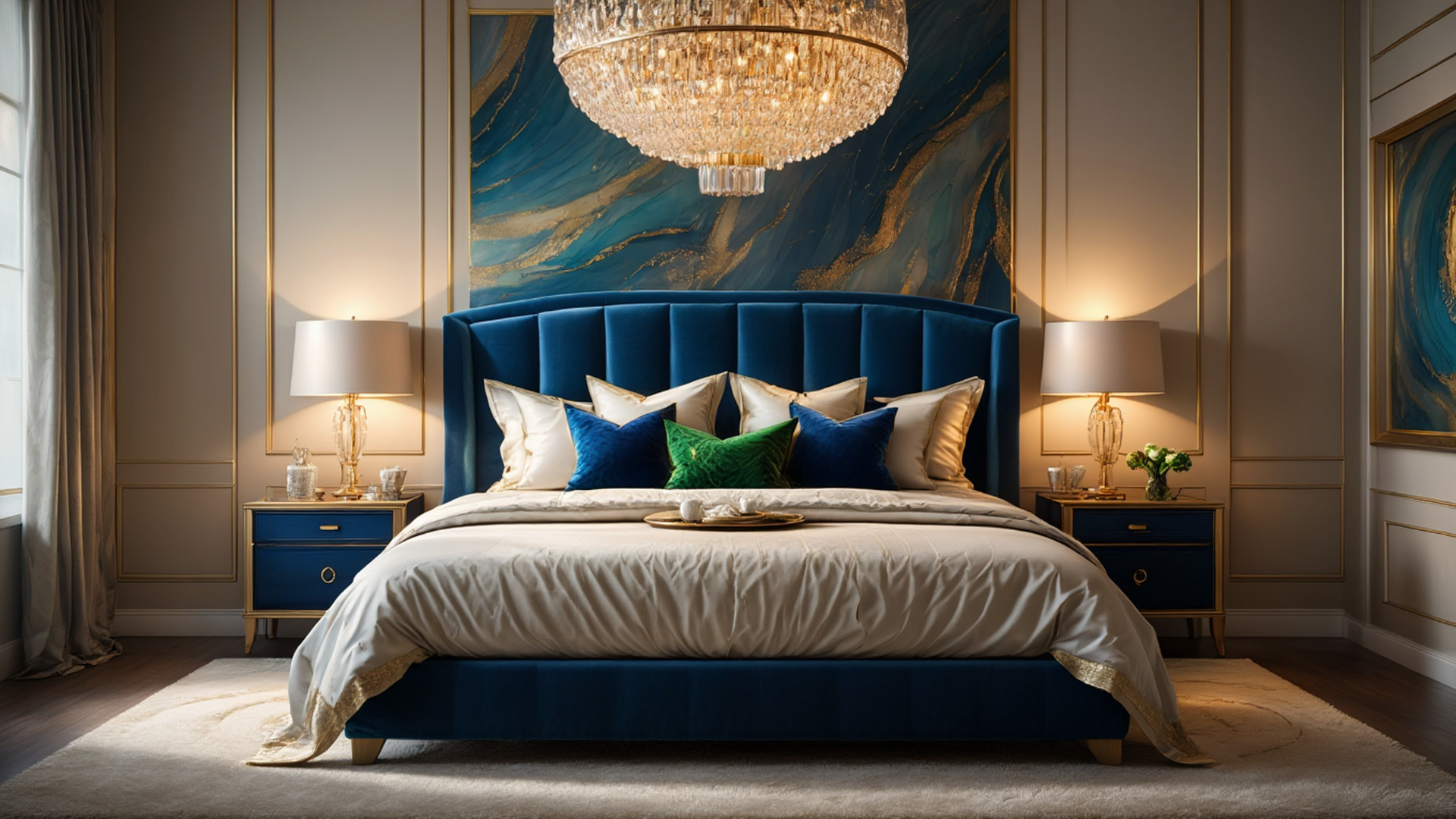
Color is far more than a finishing touch. In interior design, color shapes emotion, influences behavior, and plays a significant role in how clients make decisions. Before a client processes layout, materials, or furnishings, they feel the space, and color is often the first thing their brain responds to.
When I teach interior design workshops, this is one of the most popular topics I cover. Because as a designer, understanding the psychology of color isn’t just a creative advantage – it’s a strategic one.
The Science Behind Color Psychology
Color psychology studies how color affects human emotion, perception, and behavior. Our brains associate colors with past experiences, cultural meaning, and emotional states, often without us realizing it.
This is why color is used so intentionally in branding, marketing, and retail environments. Certain colors can calm the nervous system, while others energize, ground, or signal importance. In design, these responses influence how safe a space feels, how long someone wants to stay in it, and how confident they feel making decisions.
For clients, color can create a sense of comfort, confidence, and trust, or it can quietly trigger hesitation and resistance. Understanding this emotional layer allows designers to guide clients more effectively through the design process.
Color and Decision-Making in Interior Design
When clients struggle with color choices, it’s rarely because they don’t know what they like. More often, it’s because color decisions feel permanent, emotional, and deeply personal.
Color taps into identity. It reflects how someone sees themselves and how they want to feel in their home. This is why disagreements over color can feel charged and why clients sometimes say no to a palette they technically like.
When designers understand the psychology behind color, they can frame conversations in a way that reduces anxiety and increases buy-in. Instead of asking clients to choose colors based on preference alone, you guide them based on emotion, lifestyle, and experience.
How to Use Color Psychology in Your Design Work
Understanding color psychology helps you move from presenting options to leading decisions. Here are a few practical ways to apply it:
Consider the Emotional Goal of the Space – Before selecting colors, ask how the client wants to feel in the room. Calm, energized, grounded, inspired. Let that emotional goal guide the palette.
Use Color to Support Function – Color can help signal how a space is meant to be used. Softer tones often support rest and relaxation, while higher contrast and saturation can energize and activate.
Create Clarity Through Cohesion – A thoughtful, cohesive color story reduces mental fatigue for clients. When the palette makes sense emotionally, decisions feel easier and more confident.
Avoid Overwhelming the Nervous System – Too many colors or overly bold combinations can create visual and emotional overload. Simplicity often increases comfort and trust.
Interior Design Workshops
Color is not just a design choice. It’s an emotional language.
When designers, brands, and sales teams understand the psychology of color, they communicate more effectively, guide decisions with greater confidence, and create experiences that resonate on a deeper level.
This is the foundation of the work I teach through my speaking and interior design workshops, helping design professionals, brands, and showroom teams apply psychology and emotional intelligence in real-world settings.
If you’re an event planner or brand leader looking for an engaging, practical speaker who connects psychology, design, and business, I’d love to explore how we can work together. Feel free to reach out at any time.
-
Color psychology examines how color influences emotion, perception and behavior. In interior design, color can affect how comfortable, energized, calm or confident someone feels within a space. Understanding these emotional responses helps interior designers make color decisions based not only on aesthetics, but also on how clients want to feel and experience their environment.
-
Different colors, combinations, levels of saturation and contrast can influence the emotional experience of a space. Softer tones may support relaxation, while greater contrast and saturation can create energy and stimulation. Interior designers can use these psychological principles to create environments that support the desired mood and function of a room.
-
Color choices can feel deeply personal because they are connected to identity, memories, cultural associations and how people envision themselves living in a space. A client may resist a color palette even when they find it visually appealing because of the emotions or associations it triggers. Understanding this psychological connection can help interior designers guide color conversations more effectively.
-
Rather than beginning with which colors a client likes, interior designers can first ask how the client wants to feel in the space. Understanding whether the goal is to feel calm, energized, grounded or inspired gives the designer an emotional framework for developing the palette. This can also make it easier to explain recommendations and guide clients through decisions with greater confidence.
-
Yes. Too many colors or highly saturated combinations can create visual and emotional overload. A more cohesive color story can reduce mental fatigue and make a space feel more comfortable and intentional. Understanding the psychological impact of color helps interior designers balance visual interest with the emotional experience they want to create.