Luxury Means Something Different to Everyone – And the Psychology Behind It Matters
Luxury is one of the most emotionally loaded words in interior design. We use it constantly, but we rarely stop to define what it actually means to the person we’re designing for.
By definition, luxury is a state of great comfort or extravagant living. It can mean indulgence, ease, or elevated experience. Psychologically, luxury is about how something makes us feel, not just what it costs.
As an interior design speaker, this is one of the most important mindset shifts I teach designers, brands, and sales teams. Luxury isn’t universal. It’s personal, emotional, and deeply tied to identity.
The Psychology of Luxury: Comfort, Control, and Ease
From a psychological perspective, luxury often represents relief. Relief from stress, from decision fatigue, from discomfort, from chaos. People pursue luxury not just to have more, but to feel better.
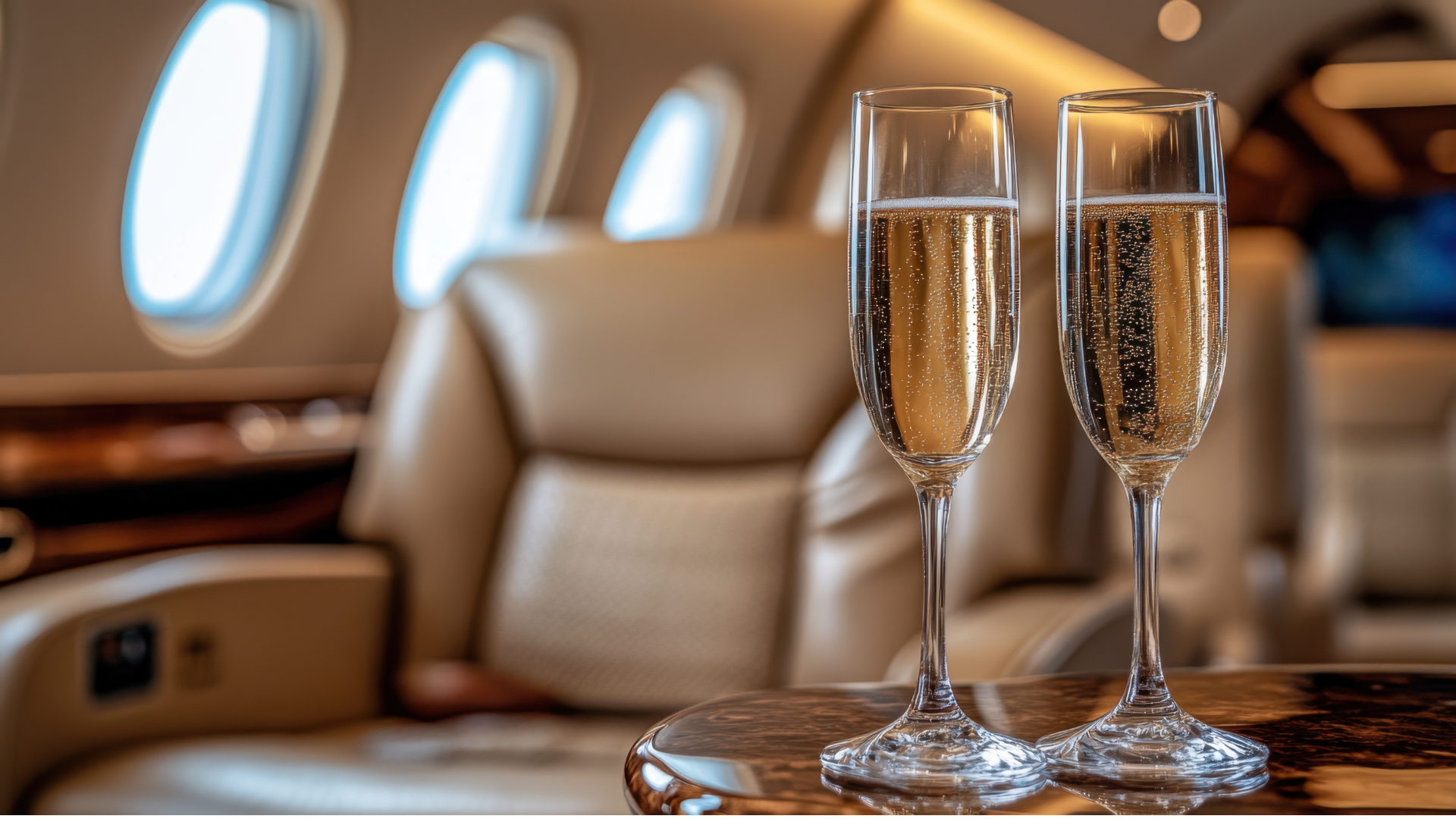
Think about travel. You don’t need a private jet to get to Florida, but it would certainly increase comfort, ease, and pleasure. For some people, that convenience feels like the ultimate luxury. For others, it feels unnecessary. They’re perfectly happy flying commercial and spending their money elsewhere.
The experience matters more than the label.
External Luxury vs Internal Luxury
Luxury buyers understand that luxury costs money. That’s not the sticking point. The challenge is delivering the right type of luxury.
External luxury is visible. Designer bags, statement watches, high-end cars, recognizable brands, and bold design choices that signal success. These clients often value status, craftsmanship, and visual impact.
Internal luxury is experiential. Work-life balance, wellness, privacy, security, stability, and comfort. These clients may prefer calm palettes, thoughtful layouts, intuitive flow, and spaces that support how they want to live day to day.
Neither is better. They’re simply different psychological drivers.
What Warren Buffett Teaches Us About Luxury
Warren Buffett famously still lives in the same house he purchased in 1958. Despite having the means to buy virtually any home in the world, he’s happy where he is. The house is warm in the winter, cool in the summer, and conveniently located.
Psychologically, this is luxury rooted in familiarity, predictability, and comfort. His home meets his emotional needs, not someone else’s definition of success.
As an interior design speaker, I often use this example to remind designers that luxury is about alignment, not excess.
How to Discover Your Client’s Definition of Luxury
You can’t assume you know what luxury means to your client. You have to uncover it.
That might happen through a thoughtful questionnaire that explores lifestyle, stressors, and priorities. It might happen through conversation. One of the most revealing questions you can ask is about vacations.
Where do they go? How do they spend their time? Do they crave structure or freedom? Activity or rest? Vacations expose what clients value when they’re removed from obligation, and that insight is incredibly useful in design.
Why This Matters for Designers and Brands
When you design for your client’s psychology, not your own assumptions, decisions become easier. Buy-in happens faster. Revisions decrease. Trust increases.
This understanding of the psychology behind luxury is at the core of my work as an interior design speaker. I help designers, brands, and sales teams better understand how clients think, decide, and emotionally engage with luxury so they can communicate more effectively and build stronger relationships.
If you’re an event planner, brand leader, or showroom team looking for a speaker who brings psychology, emotional intelligence, and real-world design insight together in a way your audience can immediately apply, I’d love to connect.