Every time I return to High Point Market, I'm reminded why I love this industry. There's always something new to discover, from beautiful materials and unexpected color combinations to conversations that challenge how we think about our businesses.
This fall was no exception. I had the pleasure of returning as a speaker, but I also spent time exploring showrooms and talking with designers. And while the design trends were inspiring, I noticed something interesting: The trends we're seeing in our homes and the challenges we're facing in our businesses have more in common than you might think.
Design Trends: Rich Colors, Texture and a Sense of Comfort
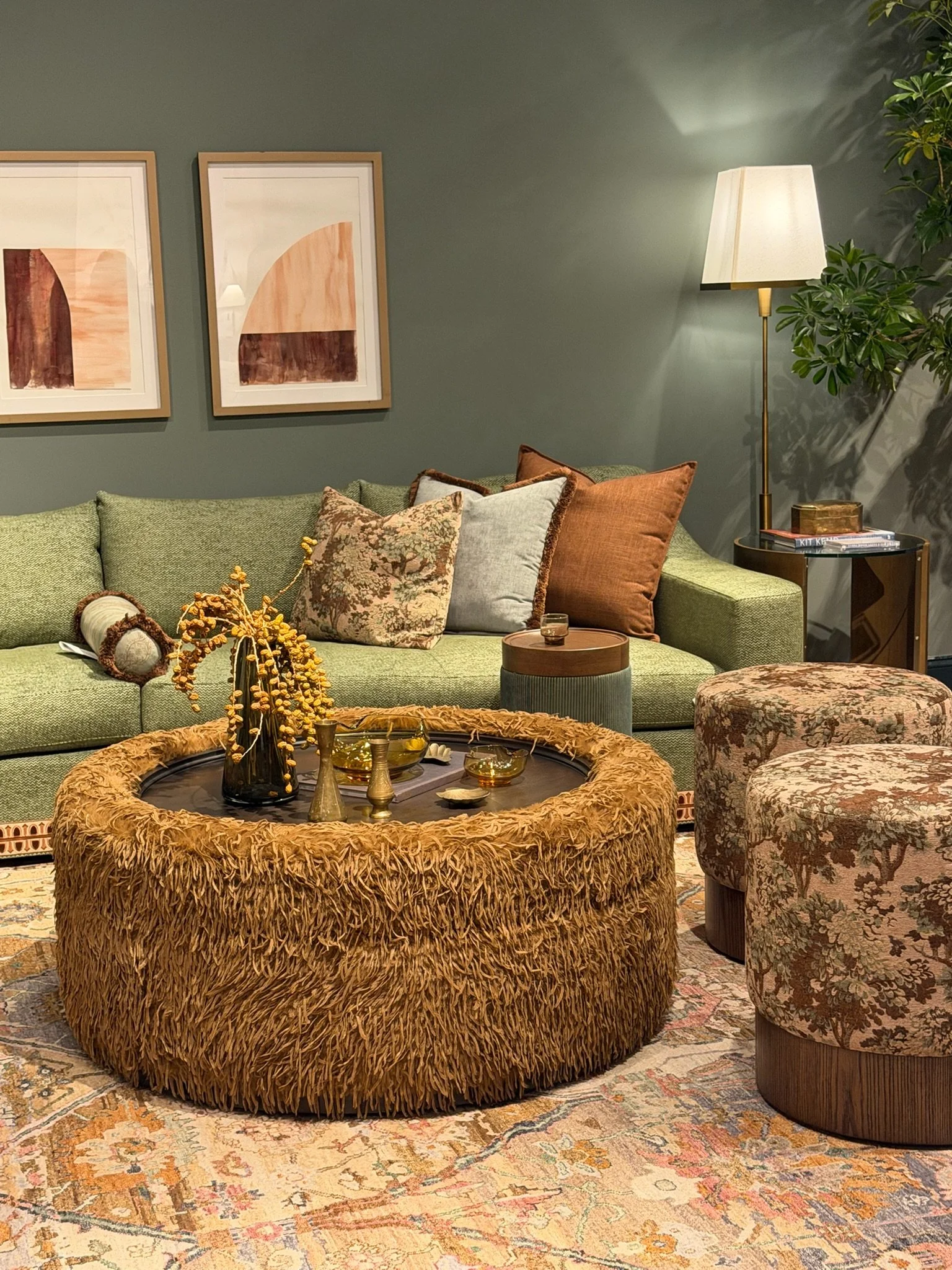
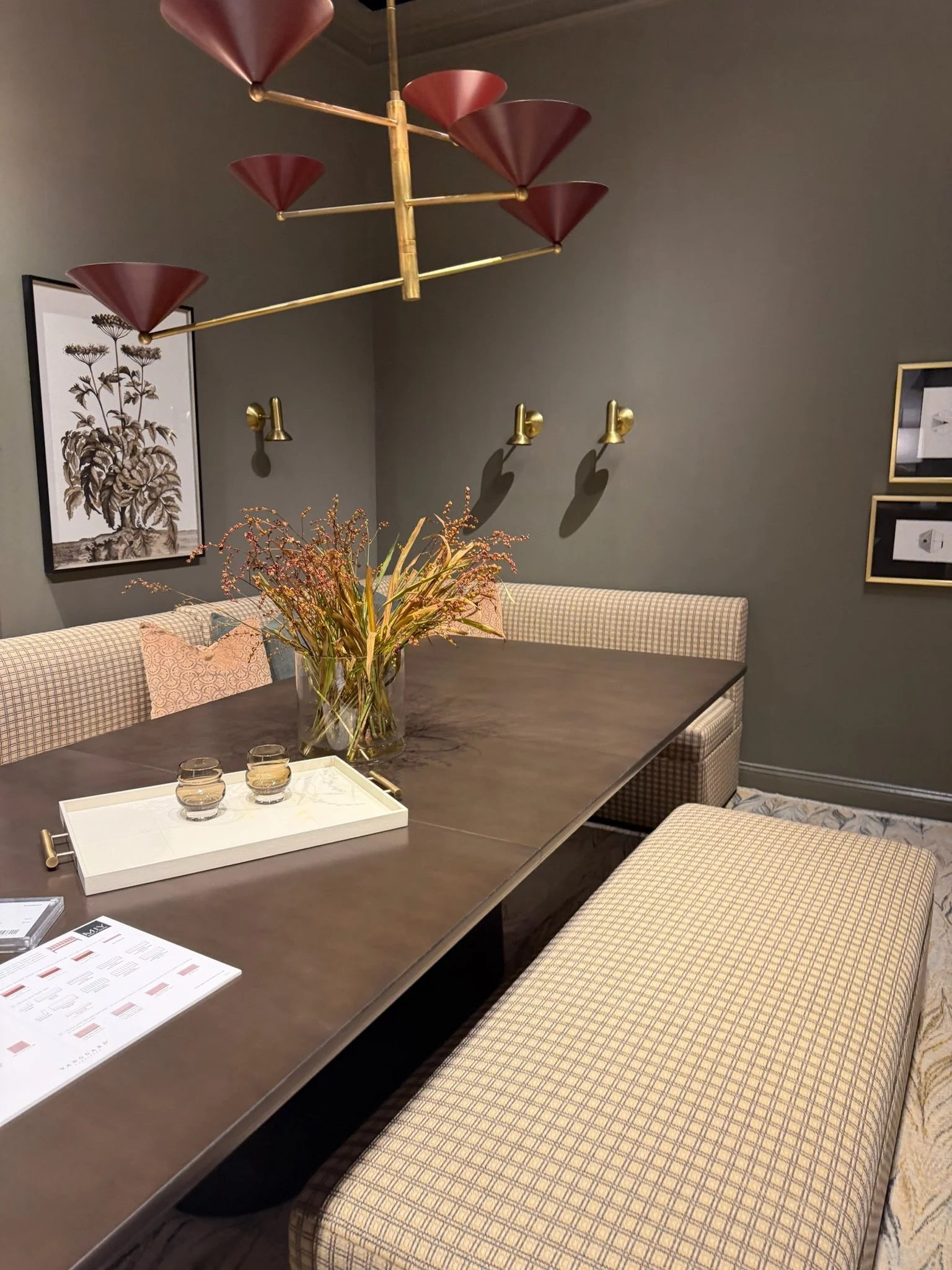
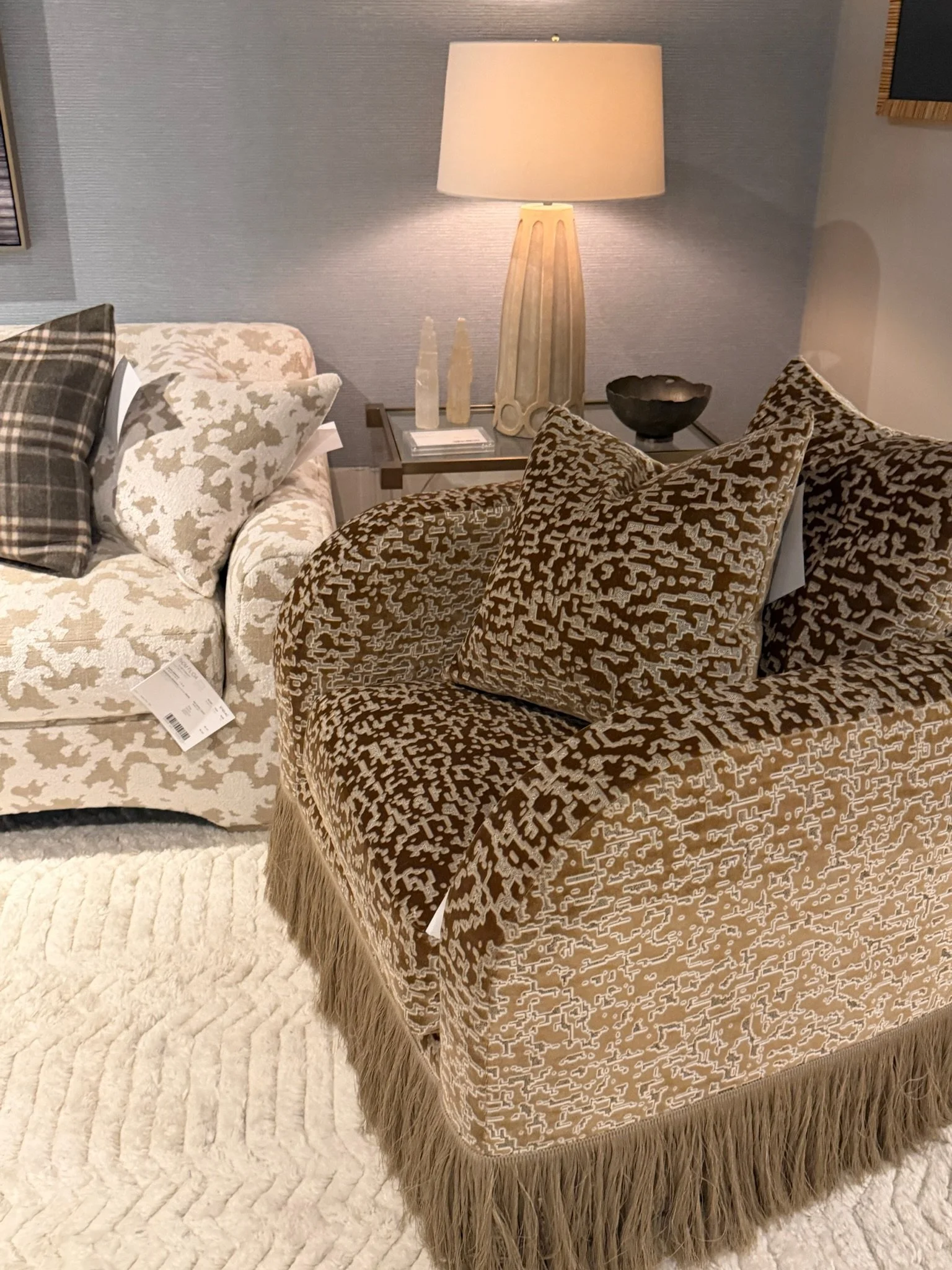
One of the biggest things I noticed at Market was the return of rich, saturated color. Deep greens and oxblood tones were everywhere, often paired with the chocolate browns we've been seeing for a while now. I love these combinations. They're sophisticated, warm and full of personality.
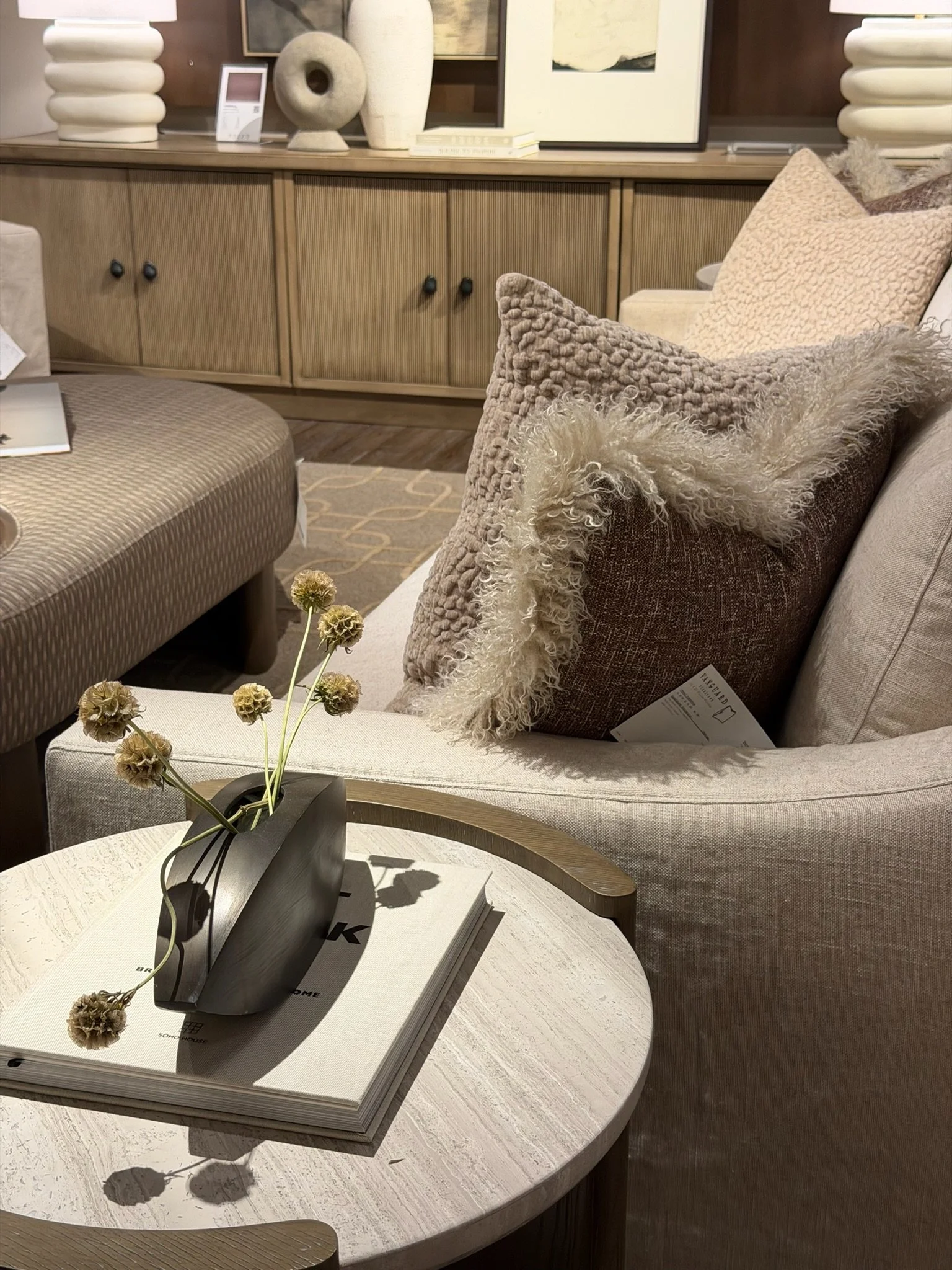
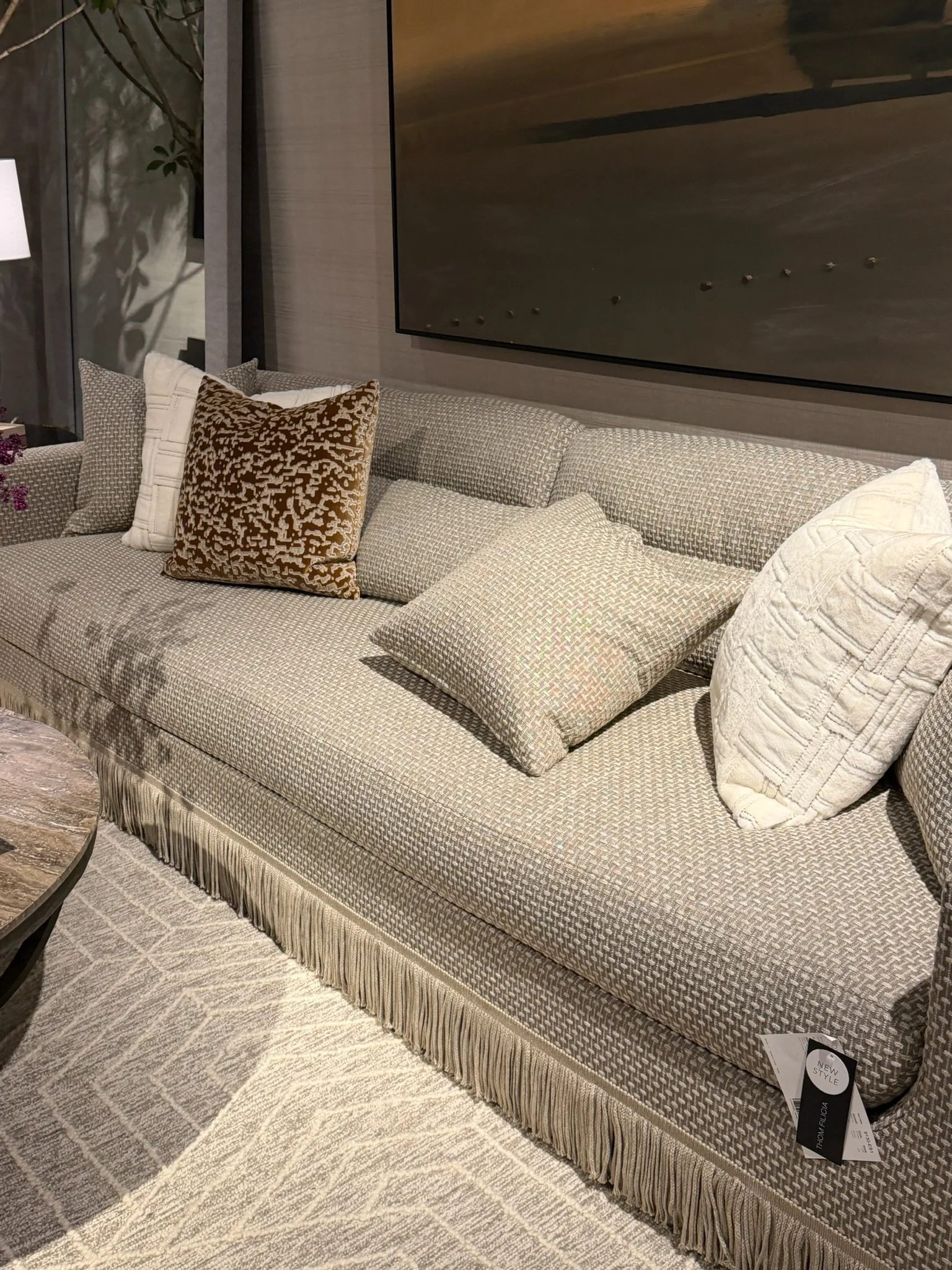
Another standout was the abundance of decorative trims, tapes and embellishments. These details add texture and individuality, transforming something beautiful into something that feels truly custom. And isn't that what great design is all about?
But the prominence of green was particularly interesting to me, especially from a psychology perspective. Green is associated with nature, balance, renewal and one of my favorite things: emotional well-being. It can evoke feelings of calm and freshness while bringing a sense of vitality into a space.
The continued emphasis on bringing the outdoors in, surrounding ourselves with comforting colors and creating spaces that feel grounded says something about what people are craving.
We don't just want our homes to look beautiful. We want them to make us feel good.
Business Trends: The Growing Importance of Human Skills
While the showrooms were full of color and texture, the conversations happening outside them revealed another trend – designers are increasingly focused on the human side of running their businesses.
I heard questions about navigating difficult client relationships, handling conflict, setting boundaries, improving sales conversations and avoiding burnout. What struck me was that so many of these conversations were really about emotional intelligence, even if nobody was calling it that.
Emotional intelligence is our ability to recognize and understand emotions, both our own and other people's, and use that understanding to communicate, make decisions and manage relationships more effectively.
And in an industry built around people, relationships and deeply personal decisions, those skills are essential.
What AI and Luxury Have in Common
I had the opportunity to explore these ideas in two very different speaking sessions at Market –The Human Advantage: What AI Can't Replace and The Psychology of Luxury.
On the surface, AI and luxury might seem like completely different subjects. But both come back to understanding human behavior.
As AI becomes more capable of handling the technical and administrative sides of our businesses, the skills that make us human become even more valuable. Technology can help us work more efficiently, but it can't replace the trust, empathy and judgment required to guide a client through a deeply personal design project.
And when it comes to luxury, those same human skills are what elevate an experience. Luxury isn't simply about beautiful products or expensive finishes. It's about understanding what matters to someone, anticipating their needs and creating an experience that feels personal.
In both conversations, the message was the same: Understanding people is one of the most valuable skills we can develop.
The Biggest Takeaway From Market
I came home from High Point inspired by the beautiful things I saw, but equally encouraged by the conversations I had.
Designers are thinking beyond aesthetics. They're recognizing that creating beautiful spaces and building successful businesses both require an understanding of how people think, feel and behave.
And that's a trend I hope continues long after Market.
Because whether we're choosing a color palette, navigating a difficult conversation or helping a client make a significant investment in their home, the psychology behind those decisions matters.
Great design has always been about people. And great design businesses are, too.
Frequently Asked Questions
How can interior designers use AI without losing the human connection?
Use AI to streamline repetitive tasks, organize information, brainstorm ideas and explore creative possibilities, but be intentional about the interactions you automate. Client conversations that require empathy, reassurance, judgment or trust are often better handled personally.
Will AI replace the need for interior designers?
AI can generate ideas, visualize design directions and make parts of the design process faster, but interior design involves much more than generating a beautiful room. Understanding a client’s needs, navigating emotions, curating choices and guiding decisions all require human judgment and emotional intelligence.
Can AI make client decision-making more difficult?
It can. AI makes it possible to generate many design options quickly, but more choices aren’t necessarily better for the client. Too many possibilities can lead to overwhelm, second-guessing and decision fatigue. Designers can use AI behind the scenes to explore ideas, then curate the strongest options to present to the client.
What role does emotional intelligence play as designers use more AI?
As AI becomes more common, emotional intelligence may become even more important. The ability to read a room, recognize what a client isn’t saying, navigate difficult conversations, build trust and understand the emotions behind a decision are human skills that technology can’t replicate.
How can AI and human connection work together in interior design?
The goal of AI and human connection in interior design doesn’t have to be choosing one over the other. AI can help designers work more efficiently and create more capacity, while the designer uses their time, expertise and emotional intelligence to deliver the personal experience clients still need.
Related Topics
5 Emotional Intelligence Skills Every Designer Needs
Loving Design Is Easy – Running the Business Is Something Else