The Psychology of Exclusivity: Why Scarcity and Personalization Matter in Luxury Design
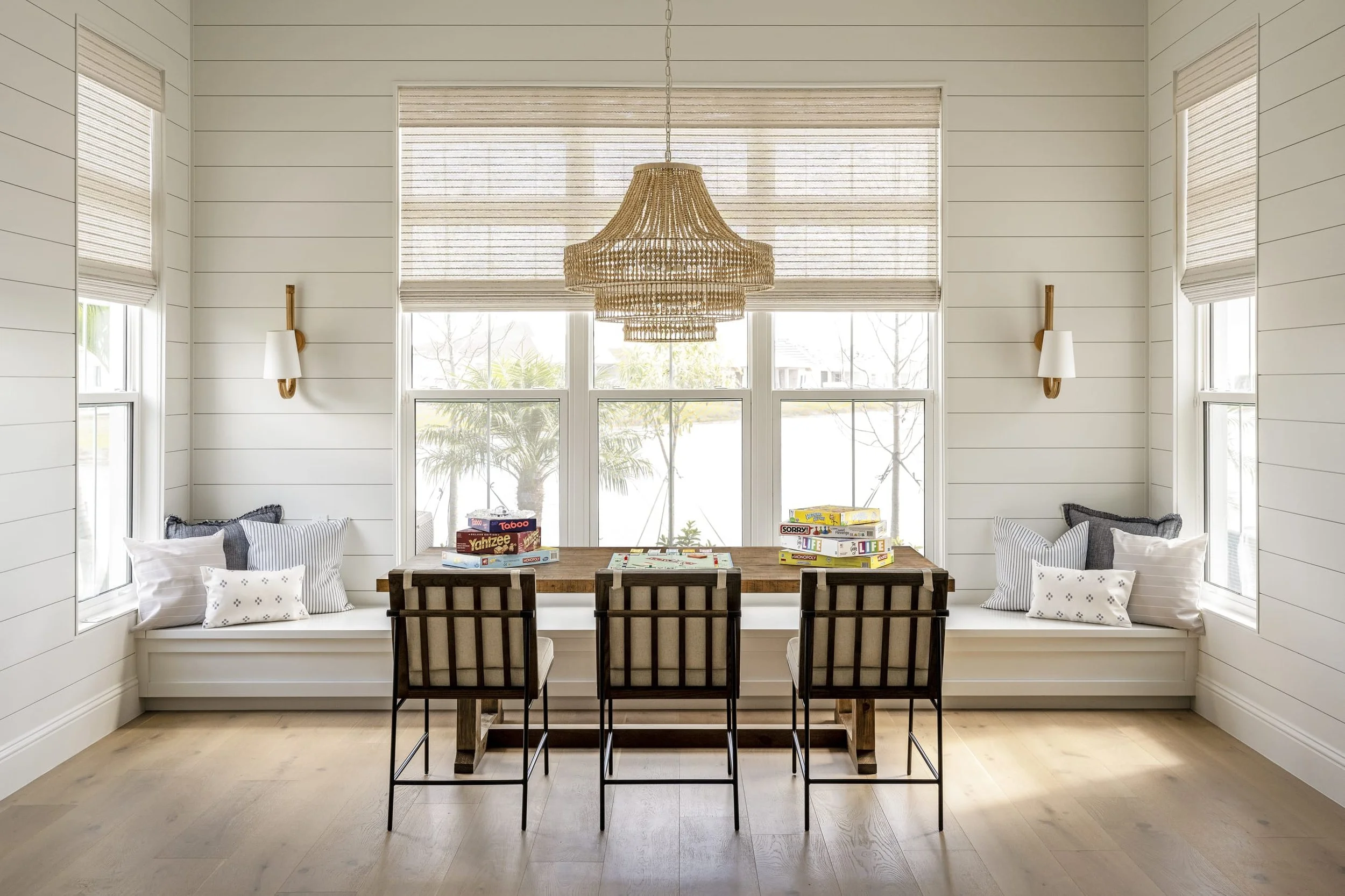
There’s a reason a one-of-a-kind piece can feel more valuable than something with a much higher price tag. We’re naturally drawn to things that feel rare, personal or difficult to obtain. In my 25-plus years of leading a successful luxury interior design firm, I’ve seen firsthand that what clients value most isn’t always the thing with the highest price tag. Often, it’s the piece with a story, the detail created specifically for them or something they know they won’t see in anyone else’s home.
That’s where the psychology of luxury interior design becomes so interesting. What makes something feel truly luxurious often has less to do with price and more to do with the emotional value we attach to it. Scarcity, exclusivity, access and personalization all influence that perception – and understanding why can help designers create a luxury experience that feels far more meaningful than simply filling a home with expensive things.
Why Scarcity Changes Our Perception of Value
Psychology tells us that when something is scarce or difficult to obtain, we tend to perceive it as more valuable. If everyone can have it, it doesn’t feel quite as special.
We see this throughout the luxury market, from limited-edition products to exclusive experiences. In interior design, scarcity can take many forms: a one-of-a-kind work of art, a vintage piece that will never be reproduced, a rare material or a piece of furniture created by a sought-after craftsperson.
For luxury clients, the appeal may not simply be, “This is expensive.” It may be, “There isn’t another one exactly like it.”
That distinction matters.
Personalization and the Psychology of Luxury Interior Design
Scarcity creates exclusivity, but personalization takes it even further.
When something has been designed or created specifically for us, we tend to develop a stronger emotional connection to it. It becomes part of our identity. That is especially powerful in our homes, which are already deeply connected to how we see ourselves and how we want to live.
A custom-designed room isn't meaningful simply because it's custom. It becomes meaningful when the designer truly understands the person who will live there. How do they spend their mornings? How do they entertain? What makes them feel comfortable? What do they want their home to say about them? And perhaps most importantly, how do they want to feel when they're there?
This is where emotional intelligence becomes such an important skill for luxury interior designers. It allows us to listen beyond what a client is telling us they like and understand the emotions, motivations and priorities behind those preferences. Sometimes the most valuable insight isn't that a client wants a certain style, color or piece of furniture. It's understanding why they are drawn to it and what they want it to represent or make them feel.
The more deeply we understand the person behind the project, the more personal the design becomes. And the more personal it becomes, the harder it is to replicate. That may be one of the most compelling forms of luxury.
Luxury Is Also About Access
Exclusivity isn't limited to what a client owns. Sometimes, what feels luxurious is having access to something they couldn't easily find or obtain on their own.
Interior designers often have relationships with artisans, craftspeople, galleries, showrooms and trade resources that their clients don't. We know where to find an unusual piece, who can fabricate something completely custom or how to source materials that aren't readily available.
That access is part of our value as designers.
For affluent clients who can purchase almost anything themselves, the ability to open doors to something unexpected or otherwise inaccessible can become an important part of the luxury experience.
Don't Forget the Story
Here's where designers sometimes miss an opportunity: they know why something is special, but the client may not.
A handmade table is beautiful. But when the client learns about the artisan who created it, the technique that was used and why a particular material was selected, that table suddenly has a story.
The same is true of an antique with an interesting provenance, an original piece of art or a custom element created specifically for the home.
Story creates emotional connection. And emotional connection can increase perceived value.
Understanding the psychology of luxury interior design means recognizing that clients aren't responding only to what they see. They're responding to what something represents, how it makes them feel and the meaning they attach to it.
What Does This Mean for Designers?
If you work with luxury clients, instead of asking, “How can I make this feel more expensive?” try asking, “How can I make this feel like it could only belong to this client?”
That shift changes the conversation.
It encourages you to curate instead of simply presenting more options. It puts greater value on craftsmanship, relationships, access and storytelling. Most importantly, it requires you to understand your client beyond their preferred colors, styles and inspiration images.
True personalization begins with understanding the person.
Luxury doesn't have to announce itself. Sometimes the greatest luxury is walking into a home and knowing that no one else could have exactly the same one – because every detail was thoughtfully chosen for the people who live there.
-
The psychology of luxury interior design looks at the emotional and behavioral factors that influence how people perceive and experience luxury. Elements such as exclusivity, personalization, scarcity, identity and access can affect how much value a client attaches to a space or object, often beyond its monetary value.
-
Exclusivity can make something feel more valuable because it isn't readily available to everyone. One-of-a-kind furnishings, original artwork, rare materials and custom pieces can create a sense that a home is truly individual rather than something that could easily be replicated.
-
Personalization connects a home to the client's identity, lifestyle and emotional needs. When a space is designed specifically around how someone lives, entertains and wants to feel, it becomes more personally meaningful. That emotional connection is an important part of the luxury experience.
-
Designers can create exclusivity through thoughtful curation, custom furnishings, unique materials, relationships with artisans and access to resources clients may not discover on their own. Sharing the craftsmanship, provenance and stories behind selections can also deepen a client's connection to the finished design.
-
For clients who have the ability to purchase almost anything, rarity can carry a different kind of value. A custom or one-of-a-kind piece offers individuality and the knowledge that it was selected or created specifically for them. That combination of scarcity, personal relevance and emotional meaning can make the piece feel far more valuable than price alone would suggest.